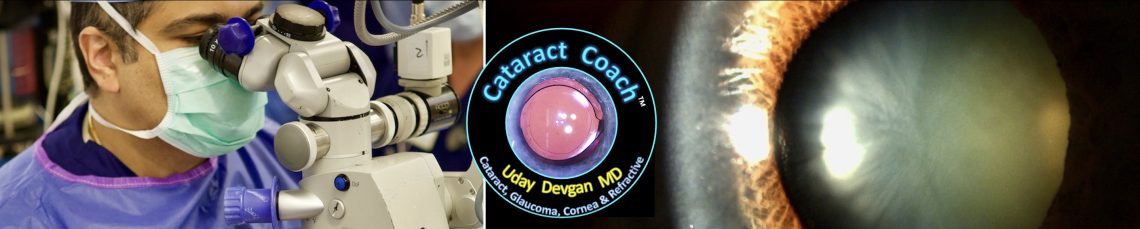


3124: congenital cataract in a baby

Performing congenital cataract surgery in an infant requires specialized capsular management to clear the visual axis and prevent rapid visual axis opacification. Because pediatric lens capsules exhibit high elasticity and risk of proliferative posterior capsule opacification, creating both an anterior and posterior continuous capsulorhexis, often paired with a limited anterior vitrectomy, is essential for maintaining long-term optical clarity. Placing a three-piece intraocular lens in the ciliary sulcus and utilizing posterior optic capture through the capsular opening locks the optic securely in place, ensuring stable centration while eliminating the need for suture fixation and preventing lens epithelial cell migration across the visual axis. But remember, the visual rehabilitation is just beginning for this young patient.

Putting the lens in the bag and doing a pars plans vitrectomy and posterior capsular rexus will give a much better result for this patient long-term . And you can still do optic capture.