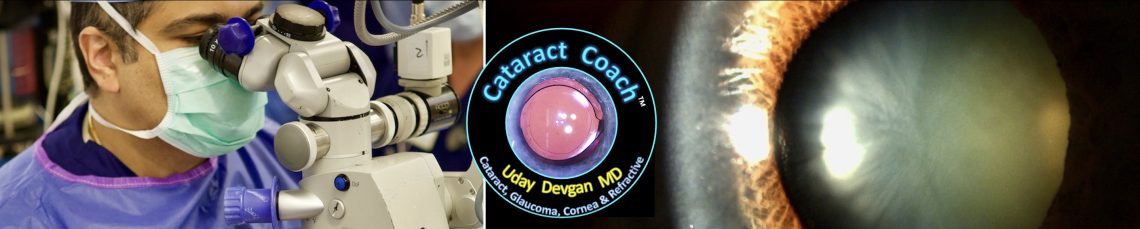


3088: a dense nucleus requires a larger rhexis

A dense nuclear cataract case demands an adequately sized anterior capsulorhexis, measuring at least 5.0 to 5.5 mm in diameter, to facilitate safe nuclear maneuvering. Sizing the opening too small, such as a 4.0 mm or what I often call a “baby” rhexis, significantly increases surgical stress during nuclear disassembly. Dense, leathery nuclear material resists easy division within the capsular bag, necessitating room to elevate quadrants or chop nuclear halves without risking anterior capsular tears, equatorial stress, or zonular dehiscence. A generously proportioned continuous curvilinear capsulorhexis provides the necessary clearance to bring hard nuclear fragments into the supracapsular space, protecting the posterior capsule while preserving endothelial integrity with dispersive ophthalmic viscosurgical devices. Watch the video to see how creating a well-sized capsulorhexis provides the critical clearance needed to chop and emulsify a dense cataract safely. What minimum capsulorhexis diameter do you target when preparing to tackle a grade four or hypermature nuclear cataract? Please comment your thoughts below.
