

3038: You usually don’t need trypan blue dye

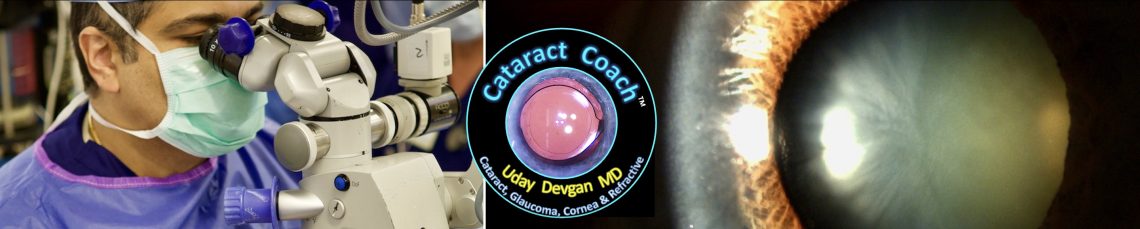
While trypan blue is a staple tool in modern phacoemulsification, reaching for dye should not automatically be your first reaction when faced with a challenging view. As shown in this video, simple optimization of your microscope’s illumination can dramatically improve your retro-illumination and contrast without adding extra steps, cost, or chemical alters to the capsular elasticity.
Key Surgical Takeaways
- Maximize Retroillumination First: Before placing trypan blue, adjust your microscope settings. Aligning the coaxial light beam and adjusting the beam intensity or angle often restores a robust red reflex—even through moderate cortical haze or nuclear density.
- Avoid Unnecessary Capsule Alteration: Trypan blue cross-links and stiffens the basement membrane, making the capsule less elastic and more prone to feeling brittle under tension. Preserving natural capsular biomechanics keeps your tear vector predictable during the continuous curvilinear capsulorhexis (CCC).
- Optimize Workflow & Efficiency: Skipping unnecessary dye injection eliminates extra fluid maneuvers (such as air bubble exchange and viscoelastic clearing), saving surgical time and reducing material expense in non-intumescent cases.
- Keep Trypan Blue as a Backup: Reserve vital dyes for true white mature cataracts, intumescent lenses with total loss of red reflex, or complex anterior segment repair where retroillumination is genuinely non-existent.
By mastering the lighting geometry of your operating microscope, you can safely complete the capsulorhexis with clear visualization while maintaining the natural tactile feedback of an unstained capsule. Next time you reflexively ask for Trypan Blue dye, just remember to ask yourself if you really need it.
