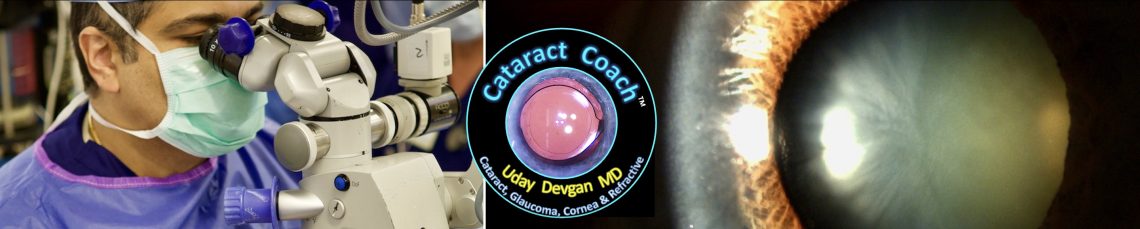


The learning curve for cataract surgery is steep and prolonged, reflecting the complexity of the procedure and the fine motor precision required. While modern phacoemulsification techniques have evolved to become safer and more efficient, the technical demands remain high for novice surgeons. Early in training, residents must first become comfortable with operating the microscope, controlling the phacoemulsification foot pedal, and managing the dynamics of a pressurized anterior chamber. The initial 50–100 cases are often spent mastering wound construction, capsulorhexis, and nucleus disassembly, during which complication rates remain elevated, particularly for posterior capsular rupture and zonular dehiscence. As trainees accumulate experience, their confidence and consistency improve, but true proficiency requires significantly more exposure. Studies suggest that measurable declines in complication rates and increases in surgical efficiency do not plateau until approximately 1000 cases. By case 500, most surgeons demonstrate substantial progress in manual dexterity, decision-making, and complication management, but they are only midway along the journey toward mastery. At this point, they may still struggle with challenging cases—such as white cataracts, weak zonules, or shallow anterior chambers—and their ability to manage intraoperative surprises remains under development. Furthermore, fine refinements in technique, including nucleus chopping strategies and cortical cleanup efficiency, continue to evolve with experience. Thus, case 500 represents an important inflection point in the learning curve: the surgeon is no longer a beginner but not yet an expert. Continued volume, daily video learning, and self-critique are essential to climb the latter half of the curve and approach true surgical excellence. Bravo to our guest surgeon who does a great job for case 600.
