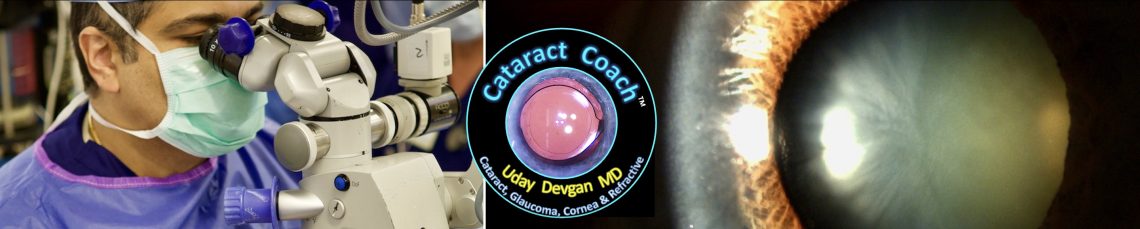


Management of high-grade traumatic iridodialysis requires meticulous surgical intervention to mitigate the functional morbidity such as debilitating photophobia. Our goal is surgical reapproximation of the iris root to the scleral spur and then a pupilloplasty. The primary objective is to restore the physiologic diaphragm while minimizing trauma to the remaining uveal tissue and corneal endothelium. Modern surgical repair typically employs a closed-chamber approach to maintain globe stability and protect the lens-iris diaphragm. Utilizing 10-0 polyprolene sutures, the surgeon captures the peripheral iris stroma and anchors it to the scleral wall. The tension must be titrated precisely; excessive traction can result in iris cheese-wiring or a “D-shaped” pupil, while insufficient tension may lead to recurrent dehiscence. In cases of severe, large-sector dialysis, a continuous suturing pattern may be necessary to ensure a stable, anatomical contour. Postoperative management is critical, as these eyes are at elevated risk for secondary glaucoma and chronic uveitis due to the initial concussive force and subsequent surgical manipulation. In this case the patient also has a traumatic cataract and focal zonulopathy. Great learning for all of us on a job well done.
